

₹13 Lakh Crore Gone in a Day: What Most Investors Still Don’t Understand About Market Crashes
Valuation Shock, Derivatives Risk, and Why Panic Selling Destroys Middle-Class Wealth

The headlines are dramatic:
₹13 lakh crore wiped out
Sensex down ~1900 points
Nifty slipping below 22,500
But if you look deeper, today wasn’t just a market fall.
It was a valuation reset.
And this is where most middle-income investors get caught off guard.
What Really Happened Today: It’s Not Just Fear — It’s Repricing
Markets don’t fall randomly.
They fall when assumptions break.
Today, multiple assumptions got questioned at once:
Growth expectations (due to war, oil shock)
Liquidity expectations (US policy uncertainty)
Cost structures (inflation risk)
And when that happens:
Valuations adjust instantly — even if the business hasn’t changed yet.
The Hidden Trigger: Valuation Compression (PE & PEG)
Let’s simplify what most people ignore.
1. Price-to-Earnings (PE) Ratio
High PE = market expects strong future growth
Low PE = stable or slow growth expectations
Example:
Stock trading at PE 40 → market assumes strong growth
If growth outlook weakens → PE falls to 25
Even if earnings stay same:
Stock price can drop 30–40% just from valuation correction
2. PEG Ratio (Growth Adjusted Valuation)
PEG = PE ÷ Growth rate
PEG ~1 → fairly valued
PEG >1.5 → expensive (growth expectations high)
Now think about today:
War → growth uncertainty
Oil → cost pressures
US tightening → slower global demand
So growth estimate drops.
Which means:
PEG shoots up → stock suddenly looks expensive → selling begins
Real Example (What Just Happened)
A stock at PE 50 with expected growth 25% → PEG = 2
Growth revised to 15% → PEG = 3.3
Now market reacts:
Either growth must improve
Or price must fall
Markets choose the second → price crashes
Why This Hits Middle-Class Investors the Hardest
Because most portfolios are:
Built during bull markets
Bought at high valuations
Concentrated in “popular” sectors
So when valuation resets:
Losses feel sudden
Confidence collapses
Panic selling begins
The Dangerous Layer: Derivatives (F&O) Amplify the Damage
Futures & Options Are Not Investing — They Are Leverage
Let’s be very clear:
F&O is a trading instrument, not a wealth-building tool for most people
Why F&O Is Risky for Middle-Income Families
Leverage Multiplies Losses
₹1 lakh capital → exposure of ₹5–10 lakh Small market move → large capital wipeout
Time Decay Works Against You
Options lose value even if market doesn’t move
So you need:
Direction right Timing right Volatility right
All three together = extremely difficult
Emotional Pressure
Intraday swings Margin calls Overnight risk
This leads to:
Forced decisions, not rational decisions
Reality Check
Most retail F&O traders:
Lose money consistently Exit after capital erosion Re-enter during next bull phase
Cycle repeats.
Compare That With:
Fundamental Investing / Mutual Funds
1. No leverage
2. Time works in your favor
3. Compounding happens
4. Lower emotional pressure
Why Even “Safe Assets” Fall During Crises
Many people expect:
Gold ↑
Crypto ↑
Stocks ↓
But reality is more complex.
What Happens During Panic Phases?
1. Liquidity Crunch
Investors sell everything to raise cash:
Stocks
Gold
Crypto
This causes:
All assets falling together temporarily
2. Flight to Safety
Eventually money moves to:
Cash / bank deposits
Government bonds
Dollar assets
3. Gold vs Crypto Behavior
Gold: stabilizes after initial fall, acts as hedge
Crypto: behaves like high-risk asset → falls with equities
Key Insight
In early panic → correlation = 1 (everything falls)
In recovery → differentiation begins
How This Will Likely Play Out (Scenario View)
Next 48 Hours (High Uncertainty)
US decision → volatility spike
Oil movement → sector-specific shocks
Markets remain unstable
Next 2–4 Weeks (Price Discovery Phase)
Earnings expectations revised
Valuations reset
Weak hands exit
Next 3–12 Months (Recovery Phase)
Stability signals emerge
Capital flows return
Strong businesses recover first
Historical Pattern

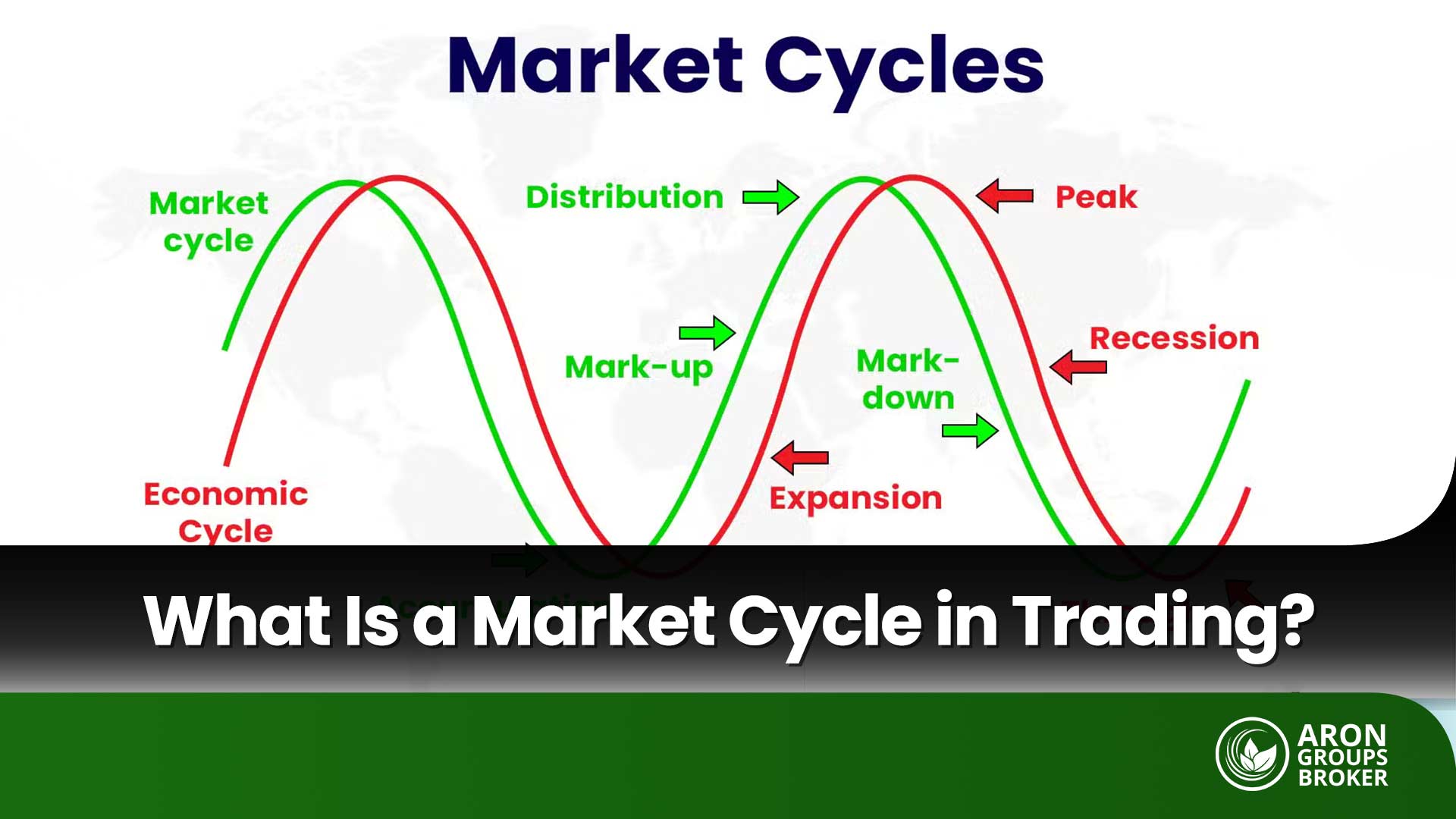


Every major fall follows:
Panic
Capitulation
Stabilization
Recovery
The Core Mistake: Mixing Strategy with Emotion
Most investors:
Buy based on growth stories
Sell based on fear
Instead of:
Buying based on valuation
Holding based on structure
What You Should Do Instead
1. Re-evaluate Entry Points (Not Just Prices)
Ask:
At current price, what is the PE?
What growth is realistically achievable now?
Is PEG still justified?
2. Avoid Leveraged Exposure
If you’re in F&O:
Reduce immediately
Treat it as speculative capital only
3. Strengthen Your Base
Emergency buffer
Diversified allocation
Liquidity planning
4. Accept This Truth
Good investments bought at wrong valuations still lose money
Why This Is Hard to Manage Manually
To make correct decisions today, you need:
Portfolio valuation tracking
Growth expectation understanding
Asset allocation visibility
Liability awareness
Cash flow clarity
Across multiple apps, accounts, and markets.
Most people:
Guess
React
Overcorrect
Why Amifi Becomes Critical in Such Times
This is exactly where clarity matters.
Amifi helps you:
Track true net worth (not just portfolio)
Understand valuation exposure across assets
Maintain safety buffer beyond generic emergency funds
Avoid impulsive decisions
Because:
When you see the full picture, you don’t react to one red screen
Final Thought: Markets Correct Valuations. Investors Destroy Wealth.
Markets falling is normal.
But:
Overpaying in bull markets
Leveraging through F&O
Panic selling in crashes
That’s what destroys wealth.
If You Do One Thing Today
Don’t ask:
“Should I sell?”
Ask:
“Was my entry justified in the first place?”
Join the Debate
We’re discussing this live:
👉 r/EverydayWealth
Did you buy at high PE/PEG?
Are you exposed to F&O?
How are you handling this correction?
Comments
Join the discussionNo comments yet. Be the first to comment.
Money Discipline in an Uncertain World.
Financial uncertainty has become part of modern life. Wars, market crashes, AI disruptions, inflation cycles and global job mobility constantly affect how families earn, save and invest. This series explores simple financial thinking for middle income families and expats living across the GCC, India, the US, Europe and Latin America. Instead of chasing market predictions, the focus is on building financial structure that survives uncertainty. Topics include emergency funds, asset allocation, debt discipline, currency risk and the psychology of money management. The goal is simple: help families make calm and rational financial decisions even when headlines look chaotic.


